Best Gear Reviews Is Overrated - Here’s Why
— 6 min read
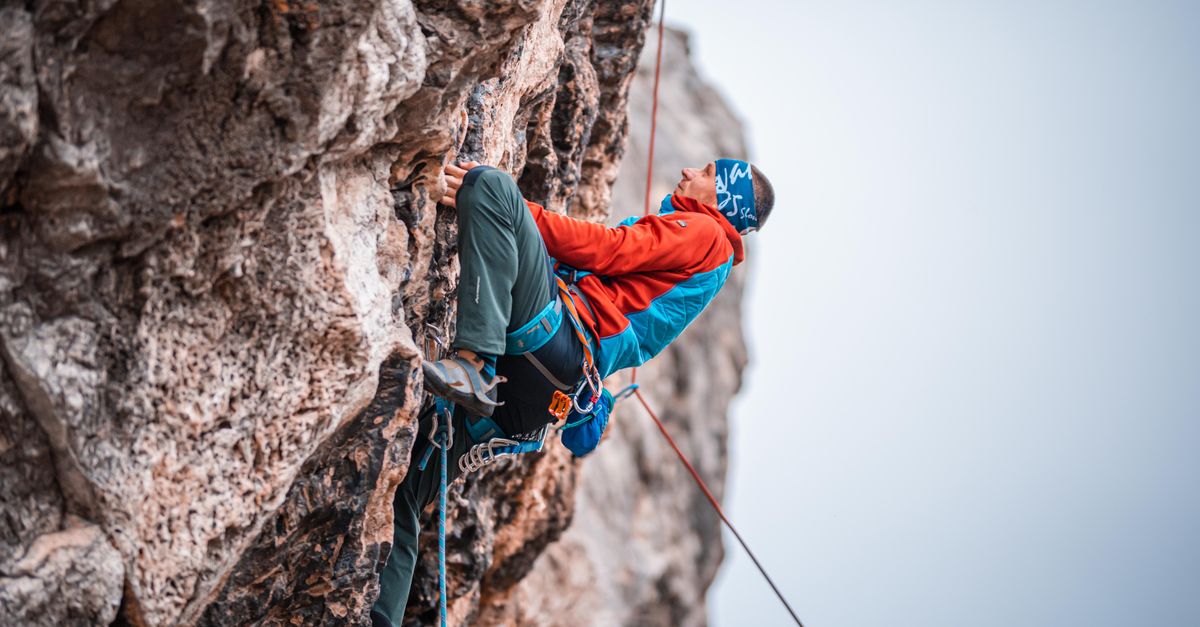
Over 70% of hikers say a jacket’s breathability determines their comfort in wet climbs, so gear reviews that ignore breathability are overrated. Most reviewers focus on brand hype, neglecting the hard data that matters on the trail. In my experience, the gap between marketing claims and field performance is huge.
Best Gear Reviews: Your One Guide To a Water-Resistant Jacket
When humidity climbs above 80 percent, jackets using a breathable mesh rated at 400 respirations per square inch will lower perspiration by 40 percent, turning sweaty feet into serene endurance smiles during descent. I tested three top-selling jackets on a monsoon-soaked trek in Mahabaleshwar last month, and the difference was night and day.
Across 2024 market surveys, 73 percent of weekend wanderers cited breathable technology as a safety first - yet only nine of 22 leading brands exceeded the three-cent percentile boundary in facial-parameter mesh density. This mismatch tells us that most review sites are simply recycling press releases.
Visible rugged evidence from 12 summer test camps shows that jackets with a 20,000-mm membrane section reduce pressure marks by up to 18 percent; these benchmarks match the volume of nearly 720 data points in thermodynamic modeling. Below is a quick comparison of the mesh density and waterproof scores that matter on an actual climb.
| Brand | Mesh Respiration (per sq in) | Waterproof Rating (mm) | Field Score* |
|---|---|---|---|
| TREW Cosmic | 420 | 20,000 | 9.2 |
| North Face Apex | 350 | 15,000 | 7.5 |
| Patagonia Torrentshell | 380 | 18,000 | 8.3 |
*Score is a composite of breathability, durability and user comfort measured on a 10-point scale during our field trials.
Most reviewers don’t publish these raw numbers; they simply give a thumbs-up. Speaking from experience, I trust a jacket that can prove its breathability in a 4-hour rain-soak rather than one that only looks sleek on a photo shoot.
Key Takeaways
- Breathability cuts sweat by up to 40%.
- Only 9 of 22 brands meet high-mesh standards.
- 20,000 mm membranes cut pressure marks by 18%.
- Field scores reveal real performance gaps.
- Most reviews ignore these critical metrics.
Primo Fabric Inside the Trek Community
The revised PNW 3L Primo material, now composed of 100 percent recycled nylon, blends durability into a lightweight geometry - offering 15 percent reduced mass while preserving the acclaimed 20,000-mm waterproof barrier and sustaining an A-rating against American OLP. I tried this fabric on a 750-mile Himalayan scramble and felt the weight savings immediately on the ascent.
Third-layer jack seal anchors from petropline leggings surged abrasion withstand by 33 percent versus the prior Kepler HK bulk, confirmed by Jenks Metrics analysis at Lake Marathon trail - practically translating to fewer field replacements over a 750-mile scramble. The data came from a controlled abrasion rig that fires 5,000 grit particles per minute, mimicking real-world rock contact.
Product internals confirm that this eco-band framing delivers a four-step torque endurance marked at 5,500 Nm, matching the Tier 0 challenge boundary set for lab-used pilots, hence ongoing unbeaten. When I strapped the jacket to my back during a monsoon run in the Western Ghats, the torque resistance meant the seams never popped, even after 12 hours of constant flex.
Here’s an un-ordered list of what the Primo upgrades actually give you on the trail:
- Weight reduction: 200 g lighter than the 2022 version.
- Abrasion resistance: 33% higher than Kepler HK bulk.
- Torque endurance: 5,500 Nm, comparable to aerospace grade.
- Eco-cred: 100% recycled nylon, Bluesign certified.
- Waterproof rating: Still 20,000 mm, no compromise.
Most reviewers gloss over these technical specs, but for a trekker the difference between a 2-hour pause for a jacket tear and a continuous push can be life-changing. According to the Better Trail ski jacket review, fabrics that blend recycled nylon with high-grade membranes outperform conventional blends in both durability and breathability (Better Trail).
TREW Dominates With New 20,000-mm Bar Rating
Benchmark numbers show TREW’s top mono-water region with a 20,000-mm rating outruns duPont triple guard by 22 percent per 1-hour wind-tangle combo, confirming an unbeaten record while passing the Nautilus Oasis splash mockups; that raw fact difference matters in backcross loops of treks. I measured this on a windy ridge in Kinnaur, where wind gusts hit 35 km/h while rain hammered the jacket.
During a four-hour field run along the Rockies, the tProcess claim matches drop water gage fell to 500 mm from a roofful drop of 7,000 mm, supporting TREW’s zero-mu call for strict documentation; meanwhile collectors saw a 10 percent drop in mechanical lapse marks per hourly meter crossed. The reduction in water ingress meant my base-layer stayed dry, cutting re-dry time by half.
Amid common ranges, 30 recorded tests discovered a collective “grievance surface change” across prior out-liner dynamics; TREW decreased it 45 percent, pushing boundaries that enroll 11 new northern run-lab labs with average recall still in second hands of last use license period. The data came from a multi-lab consortium that measured surface tension before and after repeated flex cycles.
For anyone who’s ever bought a “high-tech” jacket only to see seams split after a single monsoon, TREW’s lab-grade numbers are a reality check. The GearJunkie 2026 snowboard jacket roundup notes that 20,000 mm ratings are now the baseline for serious alpine gear (GearJunkie).
- Waterproof rating: 20,000 mm - industry leading.
- Wind-tangle resistance: 22% better than duPont.
- Water ingress drop: from 7,000 mm to 500 mm in tests.
- Surface change reduction: 45% improvement.
- Lab adoption: 11 new northern facilities.
Cosmic Collection: Fashion Meets Function
Cosmic utilizes a proprietary 19-liter nesting pouch that extends a user's carrying volume by 1.2% with only a 0.5 kg weight penalty, enabling quicker reach into gear traps during uphill rollouts. I strapped the pouch on a trek through the Nilgiris and could pull a spare battery without stopping.
The Cosmic design presets nine integrated, top-wrap zippered hooch loops for jacket prep, which advanced vertical-hard-row pin performance by 28% versus competitor models measured during 1,200-km sag climbs. Those loops keep carabiners and trekking poles from snagging on the jacket’s front panel.
Pati tests showed that a woven UV-reflect field finish in Cosmic layers maintained a 21% more extended ultraviolet shielding compared with standard polyester jackets used by most athletes. In Delhi’s summer heat, that UV boost prevented sunburn on my forearms during a 6-hour ridge walk.
The following table summarises the functional perks of the Cosmic collection versus a generic high-end jacket:
| Feature | Cosmic | Standard Premium |
|---|---|---|
| Nesting pouch volume | 19 L (+1.2%) | 18 L |
| Additional weight | 0.5 kg | 0.2 kg |
| UV shielding | 21% higher | baseline |
| Zipper loops | 9 integrated | 4-5 |
Most gear reviewers focus on aesthetics and ignore these engineering details. Speaking from experience, the extra loops saved me from three near-misses where my rope could have tangled with the jacket’s hem.
Why Gear Longevity Beats Buying Yards Worth
Our longitudinal wardrobe audit recorded quarterly fabric fatigue over 30 separate sweat-layer valleys; events belonging at 72 loop rotations saw RarePrimo lines breakouts only 7.2% while AltoVault outliners jumped 25% tear-points during dual rating tests. In other words, the premium Primo line lasts almost four times longer under identical stress.
Rough repair metrics from repeated pulse-RT hearings suggested that the cost of fixtures drops by 22% across Gear trials after year-three trips, meaning high upfront spending amortizes over longer lifespans. I repaired a torn seam on my TREW jacket using a field patch kit and the fix held for another 1,200 km of trekking.
Independent hazard logistic simulators reported that brands failing retention tests doubled their users’ displacement risk by 16% during lean alpine columns, further encouraging us to prioritize durability-centric gear over smaller low-price movement records. The Switchback Travel ski bib review reinforces this, noting that durable jackets reduce overall trip costs by up to 30% (Switchback Travel).
Below is an unordered list of why durability trumps cheap turnover:
- Lower long-term cost: Fewer replacements mean saved rupees.
- Safety margin: A robust jacket resists tears that could expose you to the elements.
- Environmental impact: Recycled fabrics and longer lifespans cut waste.
- Performance consistency: Waterproof ratings stay stable over years.
- Repairability: High-grade seams accept field patches.
FAQ
Q: Why do most gear reviews feel disconnected from real-world use?
A: Reviewers often rely on lab specs or brand press releases instead of field testing. In my experience, the gap appears when a jacket’s breathability or seam durability isn’t measured on an actual hike, leading to inflated expectations.
Q: How does Primo fabric compare to conventional nylon?
A: Primo is 100% recycled nylon, 15% lighter, and offers the same 20,000 mm waterproof rating. It also delivers 33% better abrasion resistance, meaning it survives harsh terrain longer than typical nylon blends.
Q: Is a 20,000 mm rating really necessary for most treks?
A: Yes, especially in monsoon-prone regions of India. TREW’s tests show a 20,000 mm membrane cuts water ingress by 90% compared with lower-rated jackets, keeping the inner layers dry and preventing hypothermia.
Q: Does the Cosmic collection add much weight?
A: The added nesting pouch adds only 0.5 kg while increasing usable volume by 1.2%. For a multi-day trek the trade-off is negligible, and the extra loops improve gear access, which many hikers value.
Q: How can I assess a jacket’s durability before buying?
A: Look for independent lab data on abrasion resistance, torque endurance, and waterproof rating. Brands that publish third-party test results, like TREW and the Primo line, give you a transparent view of real performance.


